Ensuring Safe Distribution in Food and Beverage Products: Challenges and Technological Solutions
November 14, 2024
By Bar Code Integrators, Inc.
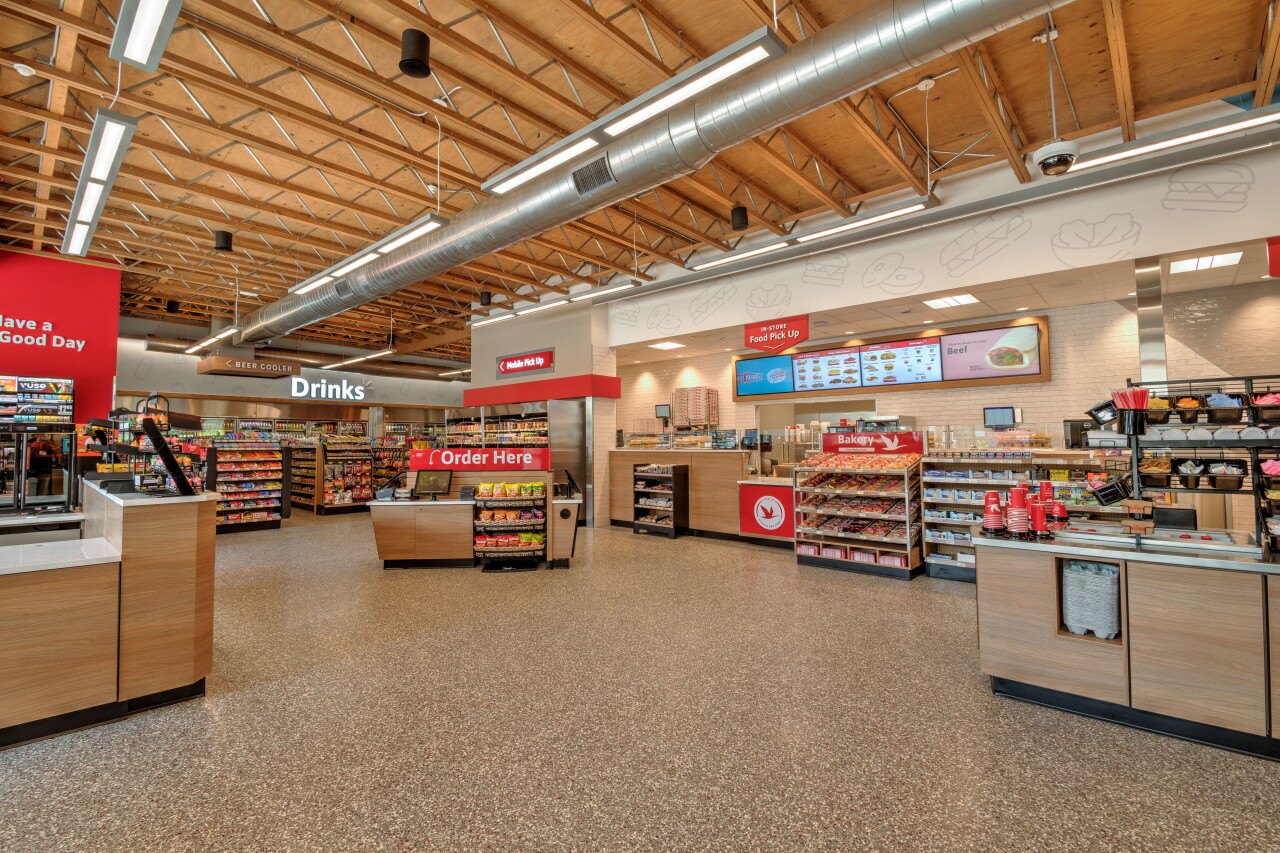
At BCI, we understand the fast-paced, high-demand environment that defines Wawa’s store operations. With a strong focus on convenience, consistency, and customer experience, maintaining accurate and up-to-date in-store assets is critical to delivering on brand expectations.
Our solutions are designed to help Wawa modernize and streamline the management of in-store assets—from pricing displays and promotional signage to digital content and communication systems. By replacing current process with scalable technology-driven platforms proven to deliver with speed and precision with
The Challenge
Wawa’s stores operate at an extraordinary pace, creating a fast-moving environment where efficiency and accuracy are critical to success.
This high level of activity introduces unique operational pressures that can impact both store performance and customer experience.
- Manual price updates require significant staff time and often need to be completed during peak hours, pulling team members away from customer-facing responsibilities
- Foodservice and beverage promotions demand rapid and precise execution to ensure consistency across locations and maintain brand standards
- Pricing inconsistencies on shelves can quickly erode customer trust in a convenience-focused environment built on reliability and speed
- Store teams are frequently stretched thin, particularly during high-traffic periods such as morning coffee rushes and lunchtime peaks
- Ongoing digital transformation initiatives highlight the need for a modern, scalable in-store platform that can streamline operations and reduce manual workload
Addressing these challenges requires solutions that not only improve operational efficiency but also support staff, enhance accuracy, and deliver a seamless customer experience
Case Study
See how a major East Coast retailer deployed SOLUM ESLs across an entire store and improved accuracy, labor efficiency, and promotional execution.
Ensuring safe distribution in the food and beverage sector involves complex logistical and regulatory hurdles. The key challenges include:
- Temperature Control: Perishable items require stable temperature conditions to prevent spoilage. However, fluctuations during transit, improper refrigeration, or delays can encourage bacterial growth, compromising food safety. Each transit point, especially in cross-border shipping, increases the risk of temperature failure.
- Contamination Risks: Food products can be contaminated by contact with other items or through poor sanitation in storage facilities, warehouses, or vehicles. Inadequate handling practices exacerbate these risks, requiring companies to rigorously monitor conditions throughout the distribution chain.
- Traceability and Transparency: A transparent supply chain is essential for identifying contamination sources and preventing issues from escalating. However, incompatible data systems across supply chain partners hinder comprehensive tracking, making it difficult to trace food back to its origin quickly and accurately.
- Regulatory Compliance: Regulations like the FDA’s Food Safety Modernization Act (FSMA), particularly Section 204, require companies to implement effective traceability measures. Non-compliance not only leads to penalties and recalls but also damages consumer trust and business continuity.
Technological Solutions to Mitigate Food Distribution Risks
Advanced technologies such as environmental sensors, bar codes and RFID provide solutions to mitigate these risks and ensure safe distribution.
1. Food Traceability Action Items
In response to FSMA Section 204 and similar regulations, companies are adopting robust traceability measures:
- Batch-Level Tracking: Tracking products by batch allows for quick identification of potential contaminants. This helps limit recall scopes, protecting both consumer safety and a company’s financial interests.
- Blockchain for Transparency: Blockchain creates a tamper-proof, shared ledger that records every step of the supply chain journey, enhancing traceability and allowing for quick access to reliable data by all stakeholders.
- Automated Alerts: By connecting environmental sensors to automated alert systems, companies can respond rapidly to incidents. For instance, a temperature spike in transit can trigger an alert for swift corrective action, minimizing the risk of spoilage.
Read about the key components of FSMA Section 204 and their benefits in our blog article HERE.
2. Environmental Sensors
Environmental sensors, such as those developed by Zebra Technologies, monitor temperature, humidity, and other factors essential for food preservation. Here’s how these sensors contribute to safer distribution:
- Temperature Monitoring: Sensors track temperatures in transport vehicles and warehouses, alerting managers when conditions deviate from safe levels. This capability significantly reduces spoilage by ensuring perishable items remain in optimal conditions.
- Humidity Control: High humidity can damage certain foods, such as dried goods, leading to mold and contamination. Environmental sensors monitor humidity levels to maintain product integrity.
- Data Integration: Zebra’s sensors are compatible with cloud-based platforms, enabling seamless data integration across the supply chain. This centralized data facilitates rapid issue identification, helping companies prevent unsafe products from reaching consumers.
Read more about the importance of environmental sensors in the food supply chain in our blog article HERE.
3. Bar code and RFID Technology
Bar code and RFID technologies provide robust tracking and control across each stage of the food and beverage distribution chain. These tools not only streamline operations and inventory management but also enhance product safety.
- Precise Tracking and Traceability: Bar codes allow companies to track products at the batch level from origin to sale. When paired with RFID, which enables continuous tracking without line-of-sight scanning, companies achieve enhanced visibility, enabling the monitoring of individual items or pallets as they move through the supply chain.
- Inventory Management and Efficiency: Bar codes streamline inventory management by providing real-time stock updates, helping companies maintain optimal inventory levels. RFID further automates this process, improving accuracy and reducing labor costs. This efficiency minimizes delays and ensures that safe, quality products reach consumers.
- Real-Time Condition Monitoring and Recall Efficiency: RFID tags can work with environmental sensors to provide real-time condition monitoring, alerting companies when conditions exceed safe limits. This capability allows for rapid response and, in the event of contamination, enables targeted recalls that minimize financial impact and protect consumer safety.
- Product Authentication and Consumer Safety: Bar codes provide unique identifiers that verify product authenticity, preventing counterfeit items from entering the market. Together with RFID, companies can trace each product’s history, reinforcing brand trust and regulatory compliance.
Benefits of These Technologies for Businesses
Implementing environmental sensors, traceability solutions, bar codes, and RFID offers significant advantages for food and beverage businesses:
- Risk Mitigation: Continuous monitoring and real-time alerts reduce the risk of distributing unsafe products, protecting companies from costly recalls and preserving brand reputation.
- Enhanced Compliance: Meeting regulations like FSMA reduces the risk of fines and fosters a culture of safety within the organization.
- Cost Reduction: Monitoring minimizes spoilage and waste, improving profitability by decreasing losses related to unsellable goods.
- Consumer Confidence: A transparent, traceable supply chain reassures consumers of product safety, building long-term brand loyalty.
Conclusion
With growing regulatory demands and consumer expectations, environmental sensors, bar codes, RFID, and traceability solutions have become essential tools in food and beverage distribution. Together, these technologies create a strong framework for safety and efficiency, helping companies address the challenges of food distribution while meeting the highest standards of quality and transparency. By adopting these solutions, companies not only protect their bottom line but also strengthen consumer trust, reinforcing their commitment to safe, high-quality products.
Call (847) 615 2933 or connect with your dedicated local Solutions Advisor HERE to explore strategies for mitigating risks in your food distribution supply chain.
For over 30 years, Bar Code Integrators, Inc (BCI) provides fully integrated solutions for bar code data collection, bar code printing, mobile computing, wireless LAN infrastructure, RFID, and other related technologies. Through innovation and experience in Auto-ID technology, our solutions improve efficiency, accuracy, and a company’s bottom line with a valid and measurable return on investment.